
"An Attorney near me" - Cape Town legal concierge
lawyer@capetownlawyer.co.za or WhatsApp
Advocate for divorce
Advocates often play a big role in divorce cases. The role of the advocate is to take instructions from the attorney and to argue the case in an open court.
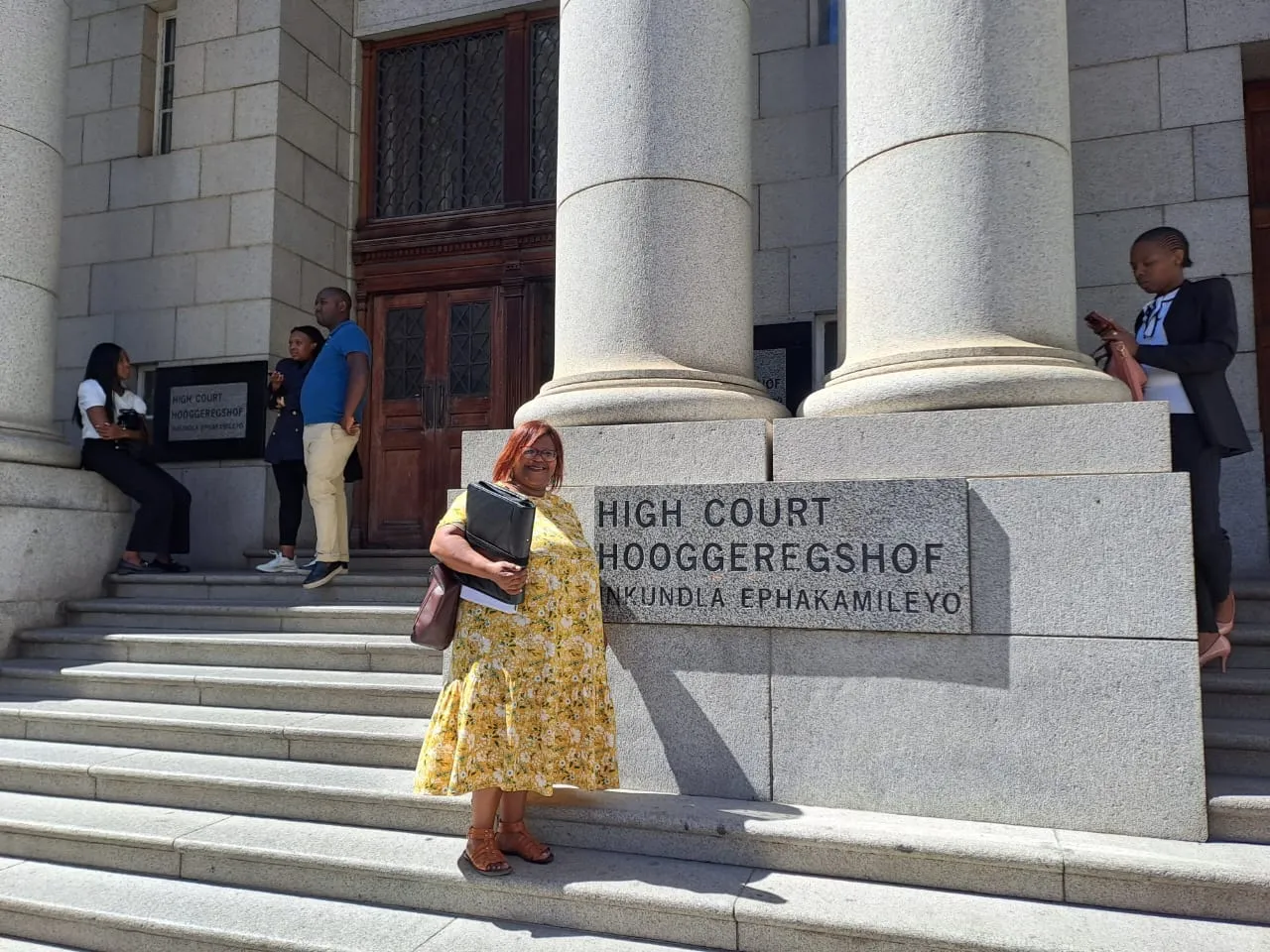
Advocates are usually used in High Court matters. Attorneys can appear in the High Court too, but often call upon an advocate, who generally has more experience when it comes to High Court work. The attorney should ensure that he/she selects an advocate who is experienced and specialises in divorces.
The attorney would usually ask the client for a larger deposit than normal if it is a High Court matter, and when the services of an advocate would be needed. The advocate sends the account to the attorney and not to the client, and the attorney is liable for the advocate’s fee at the end of the day.
Recent case law involving the duty of the attorney to pay the advocate was that of Serrurier and Another v Korzia and Another 2010(3) SA 166(W). In this case the advocates summonsed both the attorney and the client for outstanding fees. In this case the attorney had instructed the advocates in a certain matter, but the client had not paid the fees of the advocate to the attorney, as he was not satisfied with the outcome of the case.
The court found in this case that an attorney is liable for the advocate’s fees when the obligation to pay arose from an agreement between the parties. This agreement could either be an express agreement or by implication. In terms of legal ethics advocates are not allowed to receive instructions or payments directly from a client.
The court in the above case ordered that the attorney had to pay the outstanding fees due to the advocate, plus interest and the cost of suit to the advocates. The client in the case was ordered to pay the outstanding fees to the attorney.
Clients very often do not understand the role of the advocate in a divorce matter, and how the use of the advocate increases the costs. It makes a client’s case so much stronger when there is an advocate on his side, who has good experience.
Advocates, like attorneys, charge per hour, depending on their level of experience and seniority. Some senior advocates charge up to R1500 per hour. For an attorney to use such an advocate would be a huge financial risk to take on in the absence of a deposit having been paid by the client.
Junior advocates charge at R500 or R600 per hour. Sometimes it is better to use a junior advocate. It all depends on what exactly the advocate is required to do. A senior advocate is not always a necessity. As the age old saying goes “different horses for different courses”, and one must choose an advocate suited for each specific case.
We as attorneys don’t enjoy asking clients for deposits, but we need to at times to appoint an advocate to achieve the best possible result for a client. And, as the case-law shows, at the end of the day we are liable for the advocate’s fees and not the client. To safeguard ourselves we sometimes unfortunately need a deposit from the client before commencing with the work.
Related articles
Recent articles on divorce law
-
Pension Interest's Tax Liability in Accrual Calculation - usually allowed for incorrectly!
-
Failure to pay maintenance - latest case law
